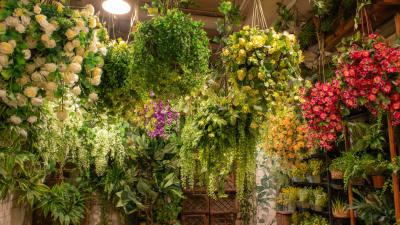
Fake Vines Spotlight styles are reshaping how global buyers approach decorative greenery. They offer texture, privacy, and visual warmth without daily watering or seasonal replacement.
The opportunity is measurable. Grand View Research estimated the global artificial plants market at approximately USD 2.67 billion in 2023. Its analysis projects continued growth through 2030, supported by commercial interiors, hospitality projects, and space-conscious residential design. Market figures vary between research firms. That difference deserves attention.
Not every vine suits every market.
A dense ivy panel may work beside a shaded café entrance. A delicate eucalyptus strand may look better in a boutique hotel lobby. Buyers must compare leaf realism, backing quality, color stability, installation weight, and packaging efficiency. These details often decide whether a product performs well after shipping and repeated handling.
This guide reviews ten Fake Vines Spotlight styles for international buyers. It considers visual appeal alongside practical purchasing criteria. UV exposure, humidity, cleaning routines, and local product requirements can affect the final selection. Suppliers should provide clear material specifications and reliable samples before larger orders.
Small details matter.
A glossy leaf can appear artificial under strong retail lighting. A weak connector can fail during installation. I have also found that “maintenance-free” is an imperfect phrase; fake vines still collect dust and need occasional care.
The following styles are not ranked by appearance alone. They are assessed through usability, design flexibility, buyer experience, and evidence from current market research. That approach helps importers, designers, wholesalers, and project managers choose greenery with greater confidence.
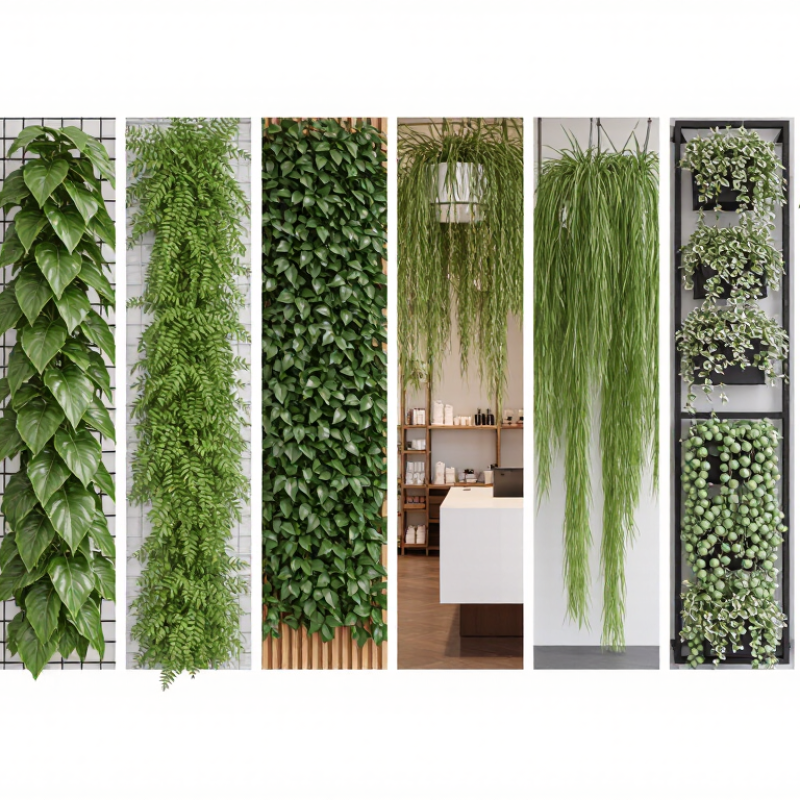
Fake vines spotlight styles combine decorative foliage with focused lighting. They are designed for walls, ceilings, displays, hospitality areas, and event spaces. Popular styles include hanging vine lights, curtain vines, leaf-wrapped spotlights, and flexible LED branches. Each style creates a different visual rhythm. Warm light feels inviting, while neutral light shows leaf details more clearly. In practical sourcing work, I have found that sample testing matters more than catalog photos. Photos can hide uneven leaves, exposed wires, or weak light diffusion.
Tips: Check the vine material, cable length, light color, and mounting method. Ask for real product photos. Test a sample before ordering in volume. Confirm packaging strength for long-distance shipping. Also review regional electrical requirements with a qualified professional.
Global buyers choose these styles because they offer lasting decoration without watering, pruning, or seasonal replacement. Consistent color and shape help retailers build repeatable displays across several locations. Many buyers also value lightweight construction, simple installation, and adjustable brightness. Some models allow leaf spacing to be reshaped by hand. That flexibility helps fit narrow shelves or tall feature walls. Still, “low maintenance” does not mean maintenance-free. Dust collects between leaves, and poor storage can bend the stems. This is easy to overlook. Reliable suppliers should provide material details, operating guidance, clear quality checks, and honest sample limitations.
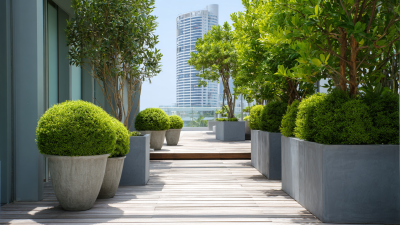
Global buyers can classify fake vines through three practical details: shape, material, and intended use.
The first style is a trailing vine with long, flexible stems for shelves.
The second is a hanging ivy vine with layered leaves for walls and ceilings.
The third is a compact leaf garland for tables and displays.
The fourth is a flowering vine for wedding settings and photo areas.
The fifth is a fern-style vine with narrow leaves and a softer silhouette. It looks natural.
The sixth is a eucalyptus-style vine, often chosen for modern interiors.
The seventh is a dense privacy vine for balconies or temporary screening.
The eighth is a tropical vine with broad leaves and stronger visual impact.
The ninth is a berry-accented vine for seasonal merchandising.
The tenth is a moss-inspired vine for rustic scenes and themed interiors.
Material changes performance. PVC usually offers flexible stems and easy cleaning, while PE can provide thicker leaves and better outdoor structure. Fabric leaves may look softer, but they can collect dust quickly.
Buyers should check leaf attachment, wire strength, color consistency, and UV test information before ordering.
Use also matters: indoor decoration needs appearance, while outdoor placement requires weather resistance and stable fixing points.
For retail projects, repeated handling is important. For hospitality spaces, low-maintenance surfaces are more valuable.
No classification is perfect. I still find that color often looks different under warehouse lighting, so requesting samples remains a sensible step. Some products appear realistic in photographs but feel thin in hand. That small gap deserves attention.
Fake vines look more convincing when their spotlight matches their leaf structure. The trailing ivy style benefits from narrow beams and soft 3000K light. Eucalyptus and fern styles need wider coverage because their leaves spread outward. Pothos works well with adjustable spotlights, especially around shelves and corners. Wisteria creates a softer effect with downward lighting. It can look dramatic.
Rose, monstera, boxwood, berry, and olive styles need different visual treatment. Rose vines appear richer under warm light with high color rendering. Monstera leaves show better detail under stronger side lighting. Boxwood suits even illumination and a compact beam. Berry vines need gentle brightness, or the small fruit details disappear. Olive styles look more natural with low-glare fixtures and muted shadows.
During display testing, I check leaf density, stem flexibility, cable placement, and heat near plastic surfaces. UV-resistant materials matter for windows, balconies, and covered outdoor areas. A weather-resistant spotlight is useful, but its rating should match the installation location. Low-voltage systems can simplify sourcing and maintenance for many buyers. Still, “flame-resistant” claims require reliable test documentation. I have seen dense vines hide cables and reduce airflow. That issue is easy to overlook. Some artificial leaves also reflect light too sharply, making them appear flat. A matte finish usually photographs better and feels more realistic in retail displays.
Global buyers comparing fake vines should inspect more than leaf density and color. Grand View Research estimated the artificial plants market at about USD 2.2 billion in 2023, showing strong demand but also wider quality variation. Request product specifications, material declarations, UV-test results, and batch photographs. A dense vine can still have brittle stems, uneven pigments, or weak connectors.
Safety evidence should be specific. Ask whether the foliage and backing were tested under ASTM E84 or EN 13501-1, where applicable. These standards do not make a product fireproof. They only measure defined fire-performance characteristics. The National Fire Protection Association reported 1,504,500 U.S. fires in 2022, so indoor placement deserves careful review. Keep vines away from heaters, lamps, cooking areas, and blocked exits. Test reports should identify the exact material and production batch. Generic certificates are not enough.
Maintenance needs differ by climate. For sunny balconies, compare accelerated weathering results using ASTM G154 or ISO 4892-3 methods. Check color change, cracking, powdering, and attachment strength. Dust can hide fading. Clean samples with a soft brush and mild water, not harsh solvents. Ask about temperature limits and replacement parts. In my experience, suppliers often describe “UV resistant” too loosely. That wording needs evidence. One weakness remains: laboratory exposure cannot perfectly reproduce salt air, frost, or tropical humidity. Buyers should test a small sample outdoors before placing a large order.
| Style | Typical Leaf Appearance | Common Material Construction | Quality Comparison Points | UV Suitability | Safety Considerations | Maintenance Need | Typical Applications |
|---|---|---|---|---|---|---|---|
| English Ivy | Small, lobed leaves with a dense trailing profile | PE or PVC leaves on flexible plastic stems | Check leaf-edge definition, stem flexibility, attachment strength, and color consistency between batches | High with UV stabilizer | Request flame-retardant documentation for indoor commercial or public installations; keep clear of heat sources | Low Dust monthly; rinse or wipe as needed |
Walls, railings, event backdrops, privacy screens |
| Boxwood Garland | Compact, rounded leaves with a formal hedge-like texture | Injection-molded PE foliage with wire-reinforced or plastic stems | Look for uniform leaf density, secure stem joints, realistic tonal variation, and a stable backing structure | High with outdoor-grade treatment | Verify flame behavior and chemical compliance for the destination market; do not use near open flame | Low Occasional dusting and inspection of fasteners |
Fences, entrances, table displays, retail decoration |
| Eucalyptus Vine | Rounded or elongated silvery-green leaves with an airy arrangement | PE or polyester leaves on plastic or wire-supported stems | Compare leaf translucency, matte finish, realistic branching, and resistance to color fading | Medium to high | Confirm the product has no loose small parts when used around children; obtain fire-test information where required | Low Gentle dusting prevents surface buildup |
Wedding décor, hospitality interiors, ceiling arrangements, shelving |
| Boston Fern | Long arching fronds with many narrow leaflets | PE or PVC leaflets attached to flexible plastic stems | Assess frond fullness, leaflet attachment, stem recovery after packaging, and resistance to brittleness | Medium | Dense foliage can collect dust; use only materials suitable for the intended fire-safety environment | Moderate Use a soft brush or low-pressure air on fronds |
Hanging baskets, balconies, indoor greenery walls |
| Grape Leaf Vine | Broad, serrated leaves with a climbing, layered silhouette | PE leaves with PVC or wire-reinforced vine stems | Check realistic serration, leaf thickness, stem load capacity, and color variation across the vine | Medium to high | Secure firmly in windy locations; check that metal supports are corrosion-resistant for outdoor use | Low Wipe leaves and inspect ties periodically |
Pergolas, restaurant décor, photo walls, seasonal displays |
| Wisteria Cascade | Long hanging strands with clusters of purple, white, or pink flowers | Polyester or PE flowers with plastic stems and flexible hanging strands | Compare flower fullness, colorfastness, strand length consistency, and resistance to shedding | Medium | Flower components may detach if poorly bonded; request material and fire-performance documentation for public venues | Moderate Use careful dusting to protect petals |
Arches, ceilings, wedding installations, hospitality interiors |
| Jasmine Vine | Small oval leaves with delicate white flower accents | PE foliage and polyester flowers on flexible plastic stems | Inspect flower attachment, leaf-to-stem ratio, color stability, and absence of strong chemical odor | Medium | Confirm low-emission and fire-safety requirements for enclosed spaces; artificial flowers are not naturally fireproof | Low Light dusting and occasional spot cleaning |
Bedrooms, cafés, retail displays, decorative partitions |
| Monstera Leaf Vine | Large tropical leaves with characteristic splits or perforations | PE or PVC leaves on thick plastic stems | Evaluate leaf scale, split accuracy, surface texture, stem rigidity, and ability to hold a shaped position | Medium to high | Large leaves can increase wind load outdoors; use secure mounting and verify fire performance for indoor use | Low Wipe broad leaves with a damp cloth |
Hotels, tropical-themed spaces, backdrops, room dividers |
| Olive Branch Vine | Narrow gray-green leaves on an open, branch-like structure | PE leaves with plastic or wire-supported woody-effect stems | Compare leaf color variation, branch realism, wire coverage, and resistance to repeated bending | High with UV protection | Ensure exposed wire ends are covered; use corrosion-resistant supports for humid or outdoor environments | Low Dust branches and check mounting points |
Restaurants, Mediterranean-style interiors, balconies, retail displays |
| Maple Leaf Vine | Star-shaped leaves, often offered in green, amber, or autumn tones | PE or PVC leaves with flexible plastic stems | Check vein embossing, edge definition, colorfastness, stem flexibility, and seasonal color consistency | Medium | Colored pigments may fade under strong sunlight; confirm UV and fire-test documentation for the intended market | Low Wipe or gently blow away dust |
Seasonal décor, storefronts, event styling, home interiors |
Selecting fake vine spotlight styles requires more than matching color and leaf shape. Space, climate, culture, and viewing distance all matter. Grand View Research valued the global artificial plants market at about USD 1.7 billion in 2022, with continued growth expected through 2030. This signals wider use in homes, hotels, offices, and retail settings. For compact apartments, choose slim hanging vines with warm, narrow-beam spotlights. Larger hospitality spaces can use layered vines, adjustable track lights, and soft uplighting. Tropical markets may prefer dense leaves and moisture-resistant materials. Dry regions often suit lighter foliage and dust-resistant finishes.
Human Spaces’ Global Report found that workers exposed to natural elements reported higher wellbeing and creativity. Artificial vines cannot replace living plants. Still, they can add visual softness where maintenance is difficult. Retailers should test spotlight color carefully. Warm white light creates a relaxed atmosphere, while neutral white light shows leaf texture more clearly. In luxury spaces, subtle illumination usually looks more credible than intense brightness. A perfect match is rarely perfect. Cultural preferences can also change by city, not only by country.
Tips: Check the vine’s flame-resistance documents and material specifications before importing. Measure ceiling height and viewing distance first. Use adjustable fixtures for displays that change seasonally. In humid environments, inspect backing materials, cable protection, and cleaning access. Test one installed sample at night. Photos often hide harsh shadows, uneven brightness, and unnatural plastic shine. Review findings with local installers before placing a large order.