Leave Your Message

Why Choose Artificial Green Plants For Outside?

Why Choose Artificial Green Plants For Outside?

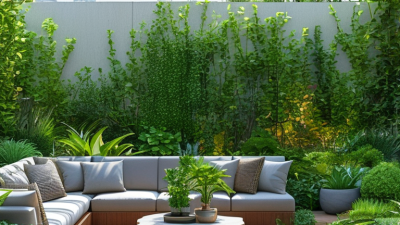
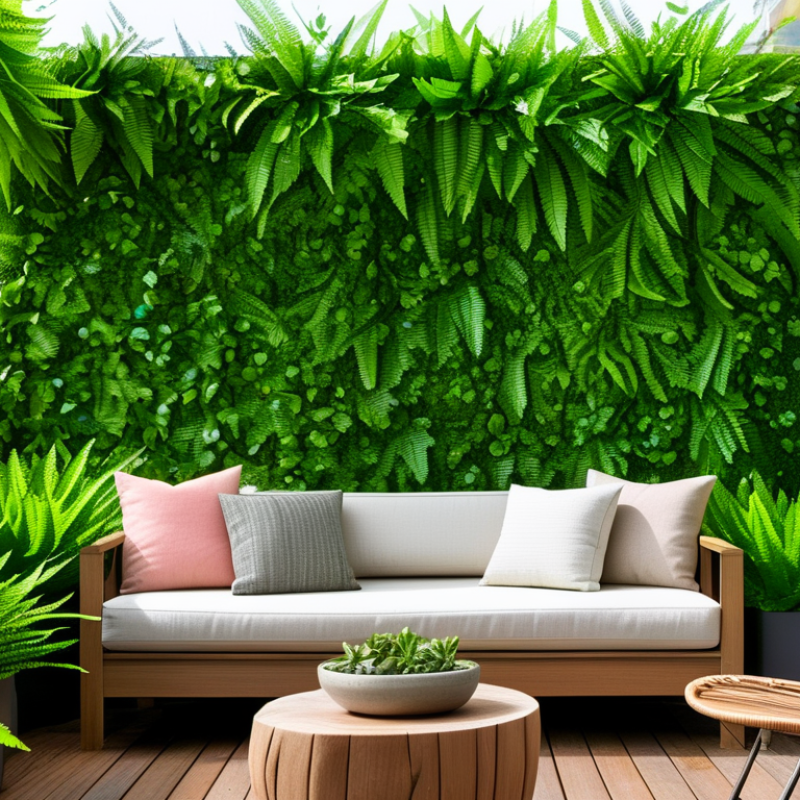
Outdoor spaces often lose their charm when weather, shade, or poor soil defeats living plants. Artificial Green Plants For Outside offer a practical way to add color, structure, and privacy throughout the year. They can brighten a narrow balcony, soften a concrete patio, or frame an entrance with realistic leaves. No watering schedule. No sudden brown patches.

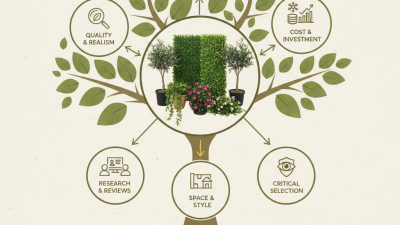
Landscape designer Mark Lane says, “Good outdoor design should respond to the space, not fight it.” This principle also applies to artificial greenery. The best choices match the site’s light, wind exposure, viewing distance, and existing materials. A UV-resistant fern may suit a covered porch. Dense artificial hedges may work better beside a busy driveway. Scale matters more than decoration alone.

Still, artificial plants are not a perfect substitute for living vegetation. They do not produce oxygen, support pollinators, or change with the seasons. That limitation deserves honest attention. However, quality products can reduce maintenance and preserve a consistent appearance in difficult locations. Look for UV protection, weather-resistant backing, secure pots, and natural-looking color variation. Cheap foliage may fade quickly or appear overly glossy.

Installation also affects credibility. A lightweight planter can tip during strong winds, while exposed stems may collect dust. Regular cleaning and proper anchoring remain necessary. With thoughtful selection, Artificial Green Plants For Outside can provide dependable visual comfort. They work best when used carefully, alongside real plants, natural textures, and functional outdoor design.
Why Choose Artificial Green Plants For Outside?

Defining Artificial Green Plants for Outdoor Landscaping

Why Choose Artificial Green Plants For Outside?

Defining Artificial Green Plants for Outdoor Landscaping

Artificial green plants for outdoor landscaping are manufactured foliage designed to imitate living plants. They commonly use UV-stabilized polyethylene, polyester leaves, and weighted planters. Unlike preserved plants, they contain no living tissue and require no soil, sunlight, or irrigation. Outdoor-grade construction is essential. Indoor foliage can fade, crack, or become brittle under strong weather exposure.

The U.S. Environmental Protection Agency’s WaterSense program reports that outdoor watering represents nearly 30% of household water use in the United States. Artificial greenery can reduce irrigation demand around patios, entrances, balconies, and commercial courtyards. Grand View Research’s artificial plants market analysis projected a compound annual growth rate of about 5.2% from 2023 to 2030, reflecting wider interest in low-maintenance landscape solutions. These figures support the trend, but they do not prove every product performs equally.

Practical installation still requires judgment. A realistic arrangement needs varied heights, natural spacing, and secure anchoring against wind. Dust collects quickly on broad leaves, especially beside busy roads. Cleaning with water and a soft cloth may be necessary each month. Artificial plants are not maintenance-free. Their environmental value also deserves reflection, because plastic foliage has a limited service life and may be difficult to recycle. In some settings, drought-tolerant living plants remain the better choice.
UV Durability: ISO 4892-3 Testing for Exterior Foliage

Why Choose Artificial Green Plants For Outside?

UV Durability: ISO 4892-3 Testing for Exterior Foliage

Outdoor artificial plants face more than rain. Direct sunlight can fade leaves, weaken fibers, and make stems brittle. ISO 4892-3 testing helps evaluate how plastic foliage responds to ultraviolet radiation and moisture in controlled conditions.

The test uses fluorescent UV lamps, condensation, and repeated exposure cycles. Samples are placed inside a weathering chamber. Technicians then inspect color change, cracking, surface damage, and loss of flexibility. These details matter. A leaf may look attractive at installation but fail after months near a bright window or poolside wall.

For reliable purchasing, request test documentation rather than accepting vague claims like “UV resistant.” The report should identify the tested material, exposure cycle, duration, and observed changes. Results from one leaf sample may not represent every stem, backing, or finished arrangement.

Good installation still matters. Partial shade can reduce daily UV stress. Clean foliage also keeps dust from hiding early fading or surface wear. In my experience, tightly packed leaves often age differently from exposed edges. That difference is easy to miss.

No test predicts every garden.

ISO 4892-3 provides useful evidence, not a permanent guarantee. Outdoor temperature swings, coastal air, handling, and poor drainage can affect service life. Choosing foliage with documented testing and checking it seasonally supports a more dependable exterior display.

Weather Resistance: IP Ratings and ASTM G154 Exposure Standards

Why Choose Artificial Green Plants For Outside?

Weather Resistance: IP Ratings and ASTM G154 Exposure Standards

Outdoor artificial plants can add green texture without watering, pruning, or seasonal replacement. However, appearance alone does not prove weather resistance. IP ratings mainly evaluate electrical enclosures, not leaves, stems, or fabric. Under IEC 60529, IP65 means protection from dust and water jets. It does not guarantee color stability or long-term material strength. Choose products with sealed lighting components when outdoor illumination is included. The leaves still require separate evidence.

ASTM G154 offers a more useful durability reference. Its fluorescent UV exposure cycles can use ultraviolet light at approximately 340 nanometers, followed by condensation periods. Common cycles include eight hours of UV exposure near 60°C and four hours of condensation near 50°C. These conditions help compare fading, cracking, and surface brittleness. They do not perfectly recreate rain, frost, salt air, or polluted city conditions. A 1,000-hour test result is not a guaranteed service life. We often trust test numbers too quickly. That deserves careful reflection.

Tips: Ask for the exact ASTM G154 cycle, exposure duration, and inspection results. Check whether the rating covers the whole assembly or only a controller. Inspect fading after one season, especially on south-facing balconies. Leave drainage space around planters, because trapped water can weaken hidden supports. According to IEC 60529 and ASTM G154 guidance, test scope matters as much as the rating itself.

Water Savings: Zero-Irrigation Landscaping and Maintenance Requirements

Artificial green plants can support outdoor spaces where irrigation is costly, restricted, or impractical. The U.S. Environmental Protection Agency reports that outdoor residential water use accounts for nearly 30% of household consumption. Landscape irrigation also uses about 9 billion gallons daily across the United States. Replacing selected live plant areas with artificial greenery can remove watering demand from those zones. That means no hoses, drip lines, timers, or seasonal irrigation adjustments.

The savings are practical and visible. A courtyard planter can remain green beside a dry entrance, while staff avoid daily watering trips. Maintenance usually involves dust removal, occasional washing, and checking anchors after strong winds. Materials should be selected for outdoor UV exposure and local weather conditions. The U.S. EPA WaterSense program also emphasizes that efficient landscapes require planning, maintenance, and appropriate plant selection. Artificial plants simplify irrigation, but they do not eliminate every maintenance task.

There is a limitation.

Artificial greenery does not provide the cooling, habitat, or stormwater benefits of living vegetation. A 2023 report from the U.S. Environmental Protection Agency links green infrastructure with reduced runoff and urban heat impacts, benefits synthetic foliage cannot fully reproduce. For that reason, a thoughtful design may combine drought-tolerant living plants with zero-irrigation artificial accents. The strongest water-saving result comes from placing artificial plants where appearance matters more than ecological function, especially under covered patios, along walls, and in hard-to-reach containers.

Why Choose Artificial Green Plants For Outside? - Water Savings: Zero-Irrigation Landscaping and Maintenance Requirements

The comparison below presents representative planning ranges for outdoor artificial greenery versus living landscape plants. Actual results vary according to climate, plant type, soil, exposure, irrigation efficiency, and local maintenance practices.

Evaluation Dimension Artificial Green Plants for Outdoor Use Comparable Living Landscape Potential Water or Maintenance Advantage
Routine irrigation 0 gallons per square foot for irrigation Often requires scheduled watering, especially during dry periods Eliminates routine landscape irrigation
Water demand for established turf or ornamental beds 0 gallons per square foot from irrigation Common planning range: approximately 20–60 gallons per square foot per year, depending on climate and irrigation practices Approximately 20–60 gallons per square foot of irrigation water avoided annually in comparable areas
Establishment watering Not required Newly planted trees, shrubs, and groundcovers normally need regular watering until roots are established No establishment period or related water use
Mowing and edging Not required for plant displays, foliage panels, or decorative installations Required regularly for living turf; edging may also be needed around beds and paths Removes recurring mowing and edging tasks
Pruning, trimming, and seasonal shaping Usually limited to occasional repositioning, dust removal, or inspection Varies by species; many shrubs and hedges require periodic pruning Lower routine horticultural labor
Fertilizer and pesticide use Not needed for plant growth May be used according to plant health, soil conditions, and local pest pressure No routine growth-related chemical inputs
Appearance during drought restrictions Maintains its designed appearance without irrigation Color, density, and plant health may decline when watering is restricted More consistent visual performance during dry conditions
Cleaning requirement Occasional dusting, brushing, or low-volume rinsing may be needed in exposed areas Natural rainfall may remove some dust; living plants still require horticultural care Low maintenance, but not completely maintenance-free
Best suited applications Patios, entrances, balconies, roof terraces, shaded areas, pool surrounds, and water-restricted sites Areas where biodiversity, shade, habitat, fragrance, or seasonal growth are primary objectives Useful for dependable greenery where irrigation access or maintenance time is limited

Planning note: One inch of water spread over one square foot equals approximately 0.623 gallons. The annual irrigation range shown above is a representative estimate for comparison, not a universal consumption rate. Artificial greenery can reduce irrigation demand, but it does not provide the same habitat, cooling, air-quality, or carbon-uptake functions as living plants.

Material Safety: EN 13501-1 Fire Classification for Outdoor Plant Products

Why Choose Artificial Green Plants For Outside?

Material Safety: EN 13501-1 Fire Classification for Outdoor Plant Products

Artificial green plants can soften a concrete balcony, entrance, or rooftop terrace without regular watering. However, outdoor appearance should never replace material safety. Wind, sunlight, and nearby lighting can expose plant panels to changing conditions. The National Fire Protection Association reported 1,388,500 fires attended by U.S. fire departments in 2023. That figure makes fire performance worth checking, even in decorative spaces.

EN 13501-1 evaluates how construction products react to fire. Its Euroclass scale runs from A1 and A2, showing very limited contribution, through classes B, C, D, E, and F. Smoke production uses s1 to s3. Flaming droplets use d0 to d2. A product marked B-s1,d0 generally offers stronger fire behavior than one with an untested or unclear rating. This classification should appear in a verified test report, not only in a sales description.

In practice, inspect the entire assembly. The leaves, backing mesh, adhesive, pot, and wall surface may behave differently. A tested sample is not automatically a tested installation. I would request the report number, product composition, test date, and permitted use conditions. Edges trimmed on site can expose untreated layers. That detail is easy to miss. EN 13501-1 is valuable guidance, but it is not a magic shield. Local building requirements and installation methods still need professional review.

Why Choose Artificial Green Plants for Outside?

EN 13501-1 classifies construction products according to their reaction to fire. The scale ranges from A1, representing the highest level of fire performance, to F, representing products with no determined performance. Classifications should always be verified through product-specific test documentation.

The chart shows the official EN 13501-1 reaction-to-fire classes in order from A1 to F. The numerical values represent the classification sequence only and are not fire-test measurements. For outdoor artificial plant products, confirm the applicable class, smoke production rating, flaming droplets rating, and installation conditions in the relevant test report.